

Blog
How Mortgage Rate Locks Work

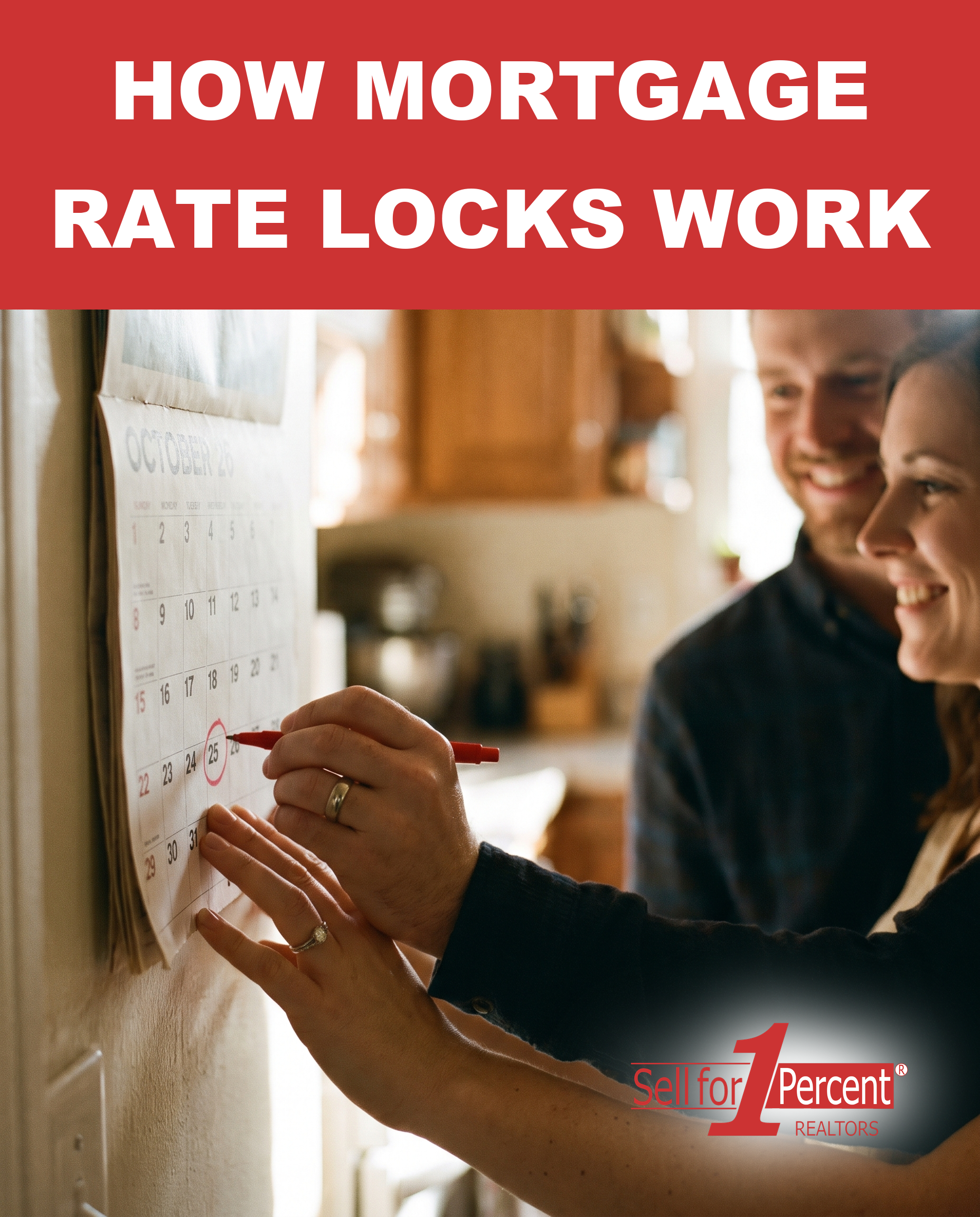
If you're buying a home in Central Ohio, you're probably watching interest rates closely. A rate lock can offer peace of mind by securing your rate, but it's important to understand how they work before you commit. Think of it as a promise from your lender that comes with an expiration date.
What a Rate Lock Actually Is
A rate lock is a guarantee from a lender to hold a specific interest rate and points for you for a set period, usually between 15 and 60 days. This means your rate won't change before closing, whether market rates go up or down. It's not a loan approval, but rather one part of your loan agreement.
This lock is tied to the specific details of your application: the property address, loan amount, loan type, and your credit profile. If any of those key details change—for example, if you decide to buy a different house—the lock no longer applies and you'll need a new one.
Time Is of the Essence
Since rate locks are time-sensitive, the goal is to choose a lock period that comfortably covers your closing date. A longer lock generally costs more, so you want one that’s just long enough, with a little buffer for unexpected delays. Talk to your lender about the right length for your transaction.
If your closing gets delayed and your lock is about to expire, you can often pay for an extension. But if it expires completely, you'll have to relock your loan. The new rate will be based on current market conditions and typically won't be better than your original locked rate, even if rates have fallen.
Special Cases and Changes
Some loan programs offer more flexibility. A 'float-down' option, for instance, may let you take advantage of a lower rate if the market improves significantly before you close. Another option, called 'lock and shop,' lets some buyers lock in a rate before they even have a contract on a house.
These features aren't available for every loan and usually come with specific conditions and costs. Always ask your lender what options are available for your situation and make sure you understand the terms spelled out in your written lock agreement.
What This Means for Central Ohio
For home buyers in Columbus and the surrounding areas, the key is clear communication. Before you write an offer, ask your lender about typical lock periods they recommend. Once you're under contract, make sure your real estate agent and loan officer are perfectly in sync about the closing date and your lock's expiration. Building in a few extra days of cushion can save you the stress and cost of a last-minute extension.
Thinking About Your Next Move?
Understanding the buying process puts you in control, and we believe in empowering our clients every step of the way. When it's time to sell, that same philosophy saves you thousands with our full-service 1% listing fee. If you have questions about buying or selling in Central Ohio, send us a message!